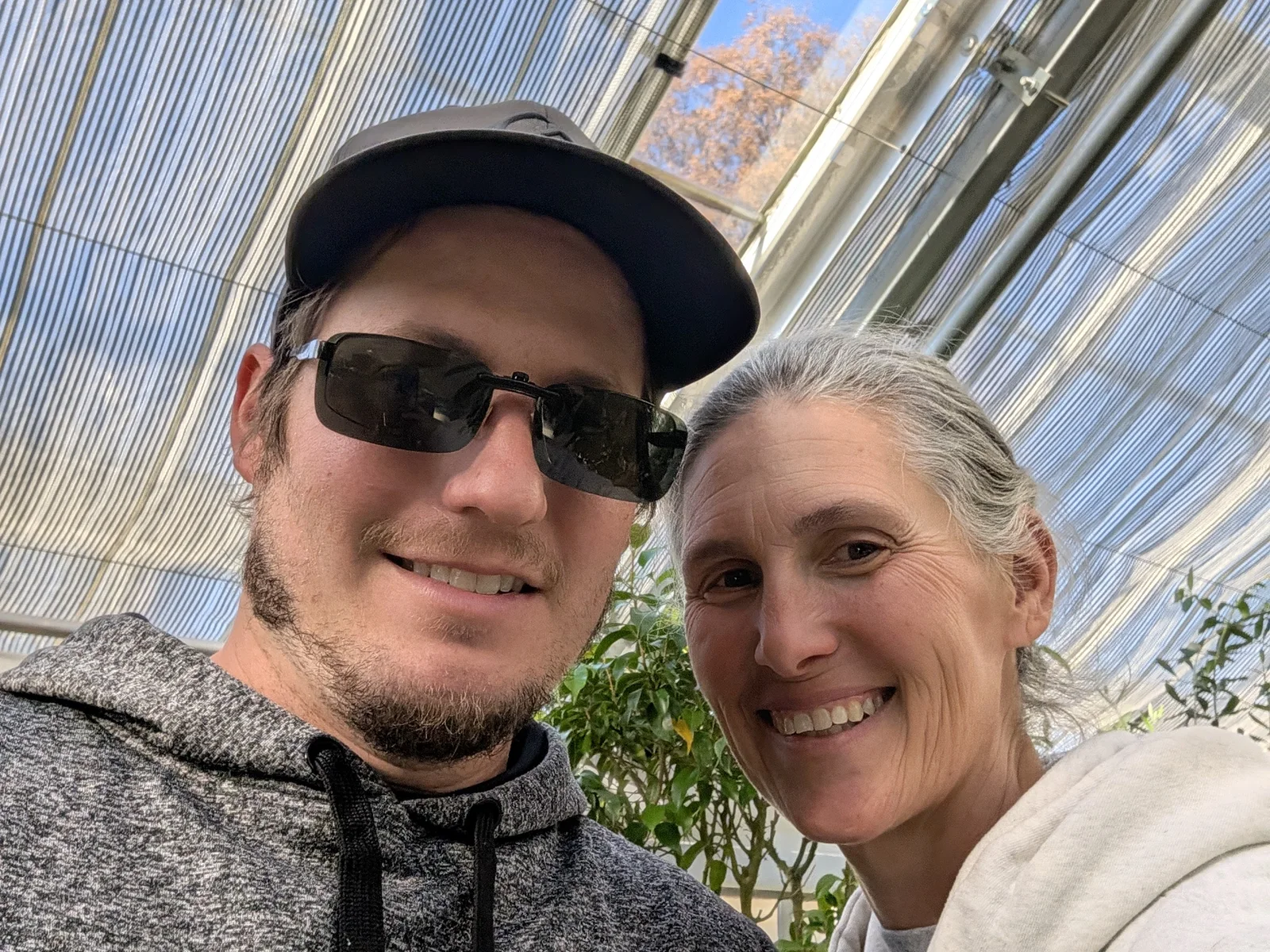
Three days before Jennifer and Tyler Austin were due to leave their first workamping job, their van’s transmission failed. Their next trip was already ahead of them, and buying another tow vehicle was beyond their budget.
They rented a moving van, hitched up their pop-up camper and kept going. It was an expensive change of plans, but it got them back on the road.
That experience captures both sides of the life they have built: the freedom to take their home somewhere new, and the responsibility of figuring things out when the plan falls apart. Since starting workamping in 2025, the Austins have cleaned campgrounds, explored Michigan and learned to judge a job by more than its paycheck.
From paying rent to finding a way out
In 2023, the couple were living in Roanoke, Virginia, working long hours and struggling to get ahead. They felt as though they were paying for a home they mostly used to sleep in.
Their first attempt at a different life was simple: sell their belongings and spend the summer in a tent near the North Carolina coast. DoorDash deliveries helped cover expenses, but repeatedly packing up and finding another campsite became exhausting. After about a month, they returned to family to regroup.
They had discovered how much they valued freedom. They still needed a sustainable way to support it.
By 2025, they were renting in Myrtle Beach and feeling the same pressure. Jennifer began researching workamping. The idea appealed to her immediately, although the practical obstacles were substantial: they had no camper, no tow vehicle and little financial room to maneuver.
They started saving and selling belongings. Their landlord, who wanted to sell the property, agreed to end their lease early. They found a $1,000 minivan, had a trusted neighbor help with repairs and secured their first campground job.
After leaving Myrtle Beach in June 2025, they spent time with family, continued earning money, established Florida residency and bought a small pop-up camper. At the end of August, they headed to Alabama.
Their first job came with a place to park
Jennifer found the Wales West opportunity through a Facebook group. The couple cleaned bathhouses, shared buildings and outdoor areas, with extra trash collection during events.
Jennifer says the position paid $800 a month for the two of them combined, with their campsite provided at no charge. They also made DoorDash deliveries to support themselves.
It was a starting point rather than their ideal long-term arrangement. They gained experience, learned to work together in a campground and began to understand what their next job needed to provide.
Today, they seek paid positions with accommodation. For housekeeping or grounds work, Jennifer says they generally aim for $15–$18 an hour. That is their target, not a promise of what every workamping job pays.
A cleaning routine built for two
The Austins usually apply as a couple and prefer working as a team. Over time, they have developed a division of labor that plays to their strengths.
Jennifer handles toilets and replenishes supplies. Tyler tackles sinks, mirrors, walls and stall doors. They split floors and trash, work together on showers and take care of laundry or other tasks as needed.
The work is physical and often repetitive. What makes it worthwhile is the result: clean facilities that help guests enjoy their stay.
They take that responsibility seriously. A family may have saved and planned for a campground vacation, and the Austins want the facilities they clean to be a reason those guests feel comfortable returning.
Learning which jobs fit their life
Their travels took them to Mackinaw Mill Creek, and exploring Michigan’s Upper Peninsula became a highlight. They hiked, camped and discovered places they had never expected to visit.
A later Christmas tree lot assignment in southern Florida taught them something different. In her November 26 update, Jennifer said they had left after almost two weeks because the work environment and demands were not a good fit.
She described 12- to 16-hour days spent lifting and tending trees, helping customers, making wreaths, decorating and loading vehicles. They had expected a demanding short season, but decided the physical and mental toll was too high for them.
Their experience is a reminder to discuss the daily routine, training, supervision and time off before accepting a job. A position that works well for one couple may not suit another.
A modest RV and a clearer idea of home
At the time of their interview, home was a 24-foot 1993 Fleetwood Prowler named Cream. Their tow vehicle is Peaches. Traveling with them is Jax, their nearly nine-year-old dog, whose energy makes him seem much younger.
The trailer has no slide-outs, but it gives them a bedroom, bathroom, kitchen and living space. After starting in a pop-up, that feels like a meaningful step forward.
They were also awaiting another camper with more storage and a slide-out. Their approach is to improve their setup gradually while staying within their means and avoiding debt.
Travel has helped them recognize another preference: they love the freedom of having a camper more than they love towing it long distances. Future jobs will give more weight to proximity to family, manageable travel and a welcoming community.
Looking at the whole compensation package
The Austins weigh wages alongside site costs and the chance to enjoy the area. Jennifer says their previous arrangements had included a place to stay at no charge. Their upcoming Everglades position would cost them $200 a month for their site and utilities.
They still budget for groceries, fuel, entertainment, travel and repairs. Laundry and propane arrangements vary by employer, so those details matter too.
For them, a modest site charge can make sense when the job provides income, a location they want to explore and a schedule that suits them. The important number is what remains after their expenses.
They find opportunities through Facebook groups and personal connections. Jennifer particularly values the people they have met along the way: fellow travelers who share advice, recommend employers and help newcomers get established.
The lessons that do not fit in a vacation photo
The failed transmission was not their only roadside setback. On a later trip back from North Dakota, their truck needed an alternator replacement. They found help, had it repaired the same day and continued traveling.
Those experiences have made them candid about the less photogenic parts of RV life. When your vehicle fails, you may also have to arrange somewhere for your home to go. Repairs can disrupt a budget and delay the start of a job.
They also caution couples to look closely at seasonal dates. A job that ends in May does not automatically fit with another that starts in April. Leaving early can affect the relationships and references they have worked to build.
Their advice to newcomers is practical:
- Compare the full package: pay, site charges, utilities and everyday expenses.
- Clarify duties, training, schedules and whether days off can align.
- Check that one assignment’s end date fits the next job’s start date.
- Plan for repairs and changes in travel plans.
- Be honest about how often you want to move. Frequent packing and towing can become tiring.
Making room for the life they wanted
When they have time off, Jennifer and Tyler still reach for their camping gear. Hiking, swimming and exploring quiet places are some of their favorite ways to spend a day together.
Faith, family and their relationship shape the decisions they make. Jennifer describes their outlook this way: “We live small, dream big and love each other like tomorrow may not come.”
Their next planned stop is Flamingo Lodge in the Everglades, where they expect to work through May 2027. Jennifer will handle housekeeping and laundry, while Tyler will work as a property attendant.
They agreed to separate roles so they could have their days off together. After their recent experience, they are looking forward to a more predictable schedule, time to explore and fewer long stretches leaving Jax alone.
The goal is becoming clearer with each assignment: enough income to keep going, work they can take pride in and time together to enjoy the places that brought them there.
Follow Jennifer and Tyler
Jennifer shares their workamping and travel experiences on social media:
- Facebook: Jennifer Austin (@jaustin9277)
- TikTok: @jennifermarkelaus
- Instagram: @jaustin9277
- Threads: @jaustin9277
Based on Jennifer and Tyler Austin’s written responses to HitchPath, received November 26, 2026. Their experiences have been condensed and edited for clarity. Pay, housing arrangements and future plans reflect their account at that time.
Read another couple’s experience in How The Veteran Nomads Share a 24-Hour Gate, or explore workamping jobs for couples.