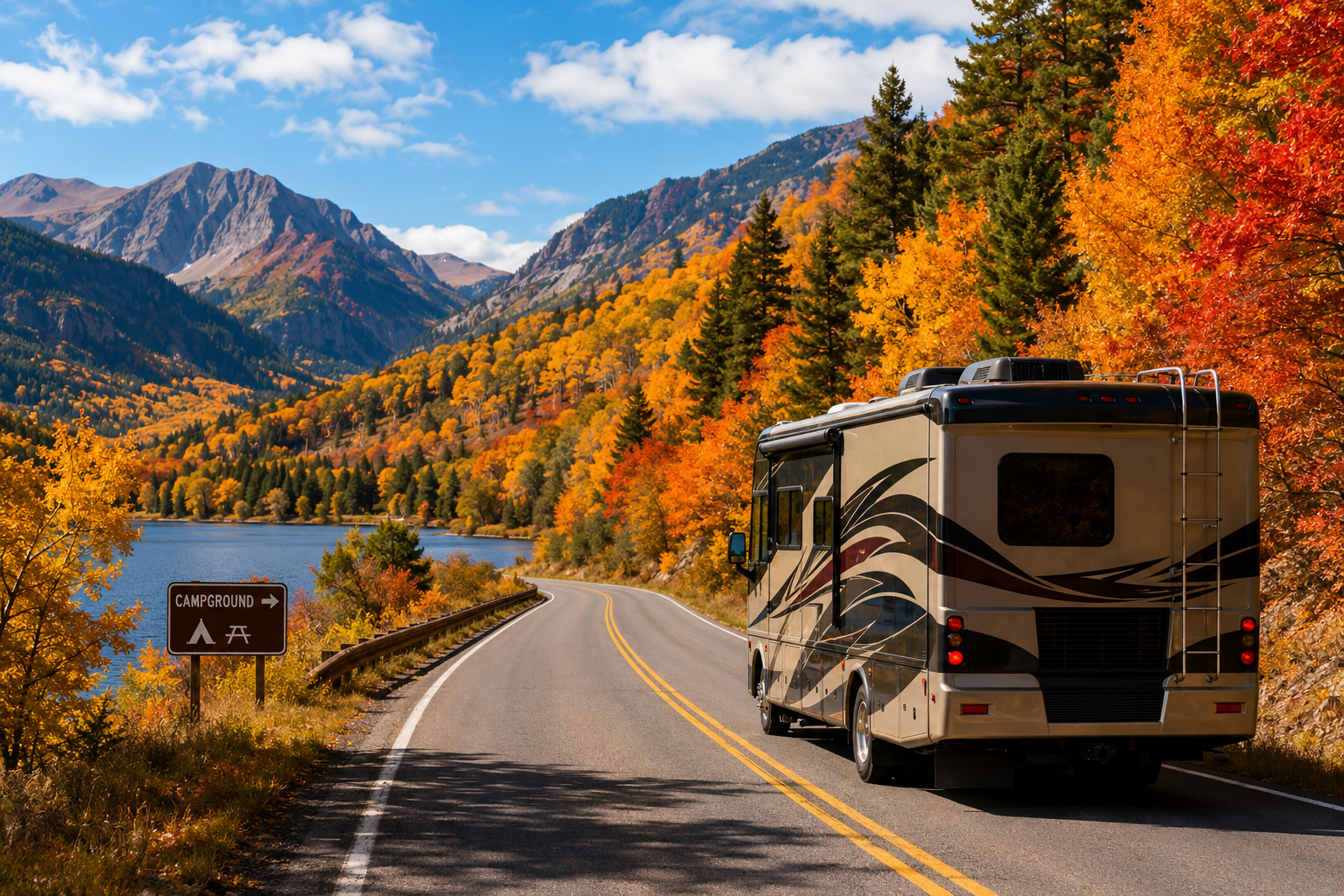
Summer may be winding down, but America's RV season is far from over.
New research released by the RV Industry Association on August 25 estimates that 23 million Americans plan to take an RV trip this fall.
More than 11 million Americans plan to travel by RV over Labor Day weekend alone. Perhaps even more interesting, more than 9.4 million Americans who do not currently own an RV expect to rent or borrow one for a fall trip.
For RVers and workampers, those numbers tell an important story.
The traditional idea that camping season ends after Labor Day is becoming increasingly outdated.
Why People Are Still Choosing RV Travel
Economic uncertainty hasn't eliminated Americans' desire to travel.
Instead, it appears to be changing how some people travel.
In RVIA's survey, affordability was the most commonly cited reason for choosing an RV trip this fall, with more than half of respondents identifying it as a primary reason.
An RV gives travelers control over several major travel expenses. Families can prepare their own meals, carry their own gear and adjust itineraries without depending entirely on hotels and airline schedules.
Fall also creates opportunities summer can't always provide: cooler weather, fewer crowds, changing leaves and shoulder-season camping.
That combination may help keep campgrounds active longer into September and October.
You Don't Have to Own an RV
One of the most notable numbers in the report involves people who don't currently own an RV.
More than 9.4 million non-owners say they expect to rent or borrow an RV this fall.
That's significant because RV participation isn't limited to the number of new RVs being sold.
A family can participate by renting a motorhome for a week. Friends may borrow a travel trailer. Existing owners may simply keep their current rigs longer.
For campground operators, all of those travelers can still become guests.
And for workampers, campground traffic matters.
What This Means for Workampers
Workamping opportunities ultimately depend on people traveling, staying at campgrounds and using outdoor hospitality businesses.
Strong fall travel can support demand for:
camp hosts, guest services employees, maintenance workers, housekeeping teams, grounds crews, reservation staff and other seasonal positions.
At the same time, the seasonal map begins moving south.
As northern destinations approach the end of their primary season, winter destinations in Arizona, Texas, Florida, Southern California and other warmer regions begin preparing for snowbird traffic.
That's why late August and early fall can be an important transition period for workampers.
One part of the country is winding down while another is beginning to staff up.
Fall Could Be More Than a Shoulder Season
Twenty-three million planned RV travelers doesn't mean every campground will remain busy.
Travel demand varies widely by location, weather and local attractions.
But the national numbers reinforce something RVers have been seeing for years: camping is becoming less confined to a traditional Memorial Day-to-Labor Day window.
For travelers who have schedule flexibility, fall can be one of the best times of year to be on the road.
For workampers, it can also create another window of opportunity between summer jobs and the winter snowbird season.
The road isn't closing for the year.
For millions of Americans, the next trip is just beginning.